UEFA Champions League 2025-26: The Global Expansion
Introduction
Few sporting competitions capture the imagination like the UEFA Champions League. It’s where legends are made, dynasties tested, and underdogs immortalized. Yet in 2025-26, the tournament feels different—not just because of who’s playing, but because of what it represents.
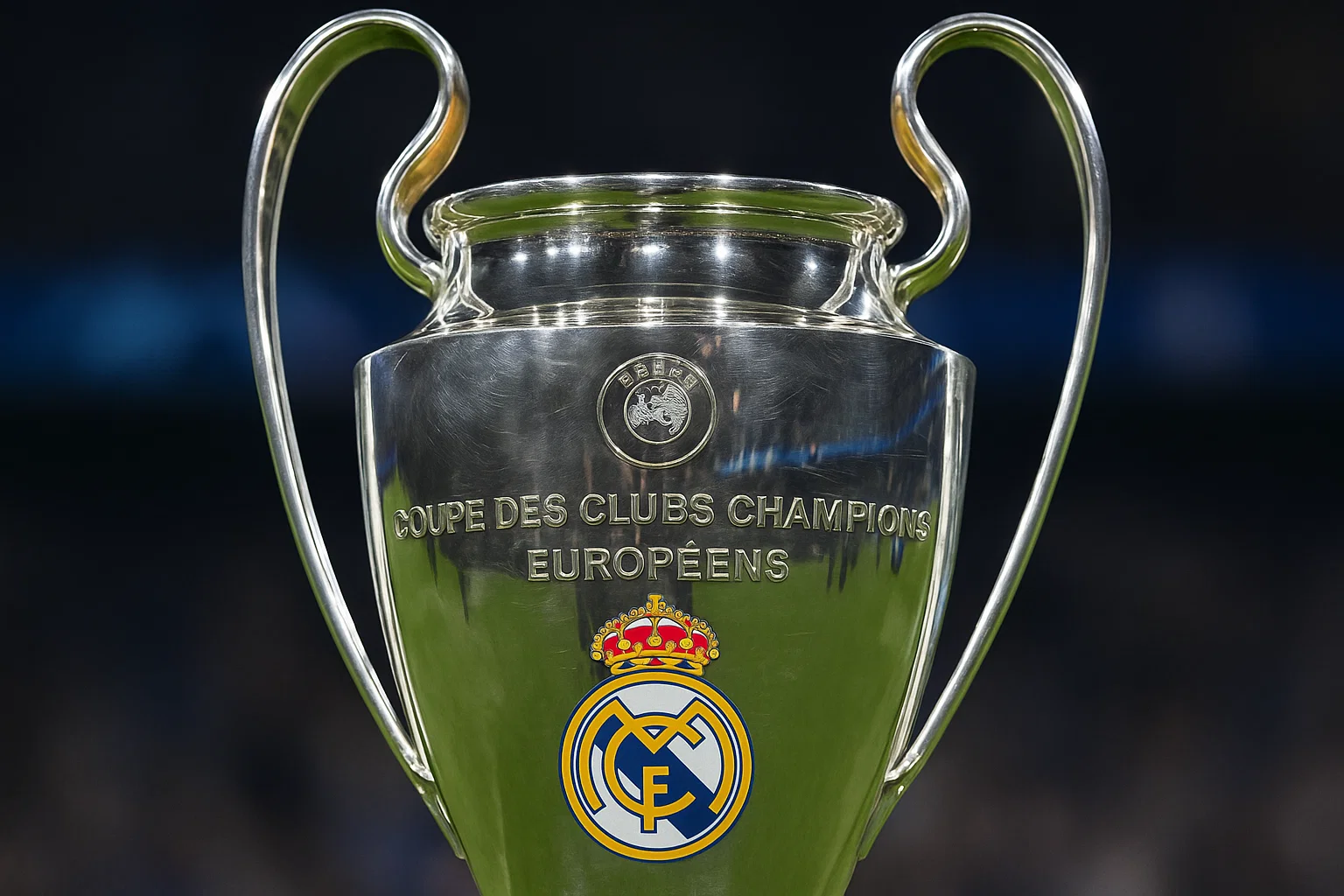
UEFA’s expanded 36-team format has ushered in a new era, promising more matches, bigger audiences, and staggering revenue streams. Today’s draw in Monaco confirmed that this year’s edition won’t simply be about crowning Europe’s best—it will be about testing the limits of football’s global reach.
From Trent Alexander-Arnold’s emotional Anfield return with Real Madrid, to PSG vs Barcelona reigniting a rivalry for the ages, to the remarkable journeys of debutants from Kazakhstan, Norway, Cyprus, and Belgium—this season already feels like a tipping point for the world’s game.
What’s Happening Now
Blockbuster Matchups
The league-phase draw delivered the kind of storylines that make the Champions League irresistible:
Real Madrid’s gauntlet: No club has a tougher road. Carlo Ancelotti’s side must travel across the continent, from Turin to Lisbon to Marseille, and then embark on an 8,000-mile trek to Kazakhstan to face Kairat Almaty. Add Manchester City and Liverpool to that mix, and Madrid’s campaign is a test of endurance as much as skill. The subplot? Alexander-Arnold stepping back onto Anfield soil, not as a Liverpool captain, but as a Galáctico.
PSG vs Barcelona: Last season, PSG silenced critics with a 5-0 rout of Inter Milan in the final. Now, their title defense begins with a heavyweight clash against Barcelona, rekindling memories of Neymar’s 2017 comeback and Messi’s 2021 exit. With Mbappé leading the charge and Xavi’s rebuild gathering steam, the Parc des Princes will host fireworks.
Liverpool’s redemption arc: Knocked out by PSG on penalties last year, Liverpool have unfinished business. Hosting Real Madrid and Atlético while traveling to Inter Milan adds layers of narrative and nostalgia—Anfield under the lights, European nights that test both heart and lungs.
The Money Game
Behind the drama lies an economic story rewriting football’s balance sheet.
UEFA will distribute a record €2.47 billion this season—an eye-watering figure that dwarfs the GDP of some participating nations. Clubs like Barcelona start with over €30 million guaranteed before kicking a ball, while every league-phase victory delivers €2.1 million in bonuses. Even draws are worth €700,000.
Broadcasting Powerhouses (Annual Rights):
| Region | Broadcasters | Value |
|---|---|---|
| USA | CBS Sports / TelevisaUnivision | ~$667M |
| UK | TNT Sports / Amazon Prime | ~$550M |
| Germany | DAZN / Amazon Prime | ~$400M |
| Canada | Regional partners | Variable |
| Australia | International packages | Variable |
For context: CBS’s UCL deal in the U.S. rivals the annual broadcasting spend of MLB postseason coverage. Football’s cultural penetration in non-European markets is no longer aspirational—it’s commercial reality.
Historic Firsts
Underdogs are the heartbeat of the Champions League, and this season brings four new stories:
- Kairat Almaty (Kazakhstan): Easternmost team ever to qualify, with a squad market value of just €12.8M. Their penalty-shootout victory over Celtic sparked nationwide celebrations. Facing Madrid, they’re both minnows and pioneers.
- Bodø/Glimt (Norway): From the Arctic Circle to the big stage, they’re the northernmost team in UCL history. Known for fearless attacking football, they now face Manchester City, Juventus, and Spurs—David vs Goliath, multiplied.
- Pafos (Cyprus): A fairytale rise, overcoming Dynamo Kyiv and Red Star Belgrade to reach the elite stage. Their qualification has turned Pafos from a tourist hub into a football pilgrimage site.
- Union Saint-Gilloise (Belgium): Once a forgotten giant, now reborn. Their debut is both a cultural revival and proof that Belgian football’s renaissance runs deeper than Bruges or Anderlecht.
These teams may not lift the trophy, but they reshape the narrative, proving the Champions League is more than just the domain of billion-euro superclubs.

The Game of Tomorrow
Short-term (6–12 months)
The immediate impacts of the expanded format are already visible:
- Format shake-up: The league-phase system means no more “easy groups.” With 36 teams, everyone plays eight matches against varied opposition, ensuring constant jeopardy. The top 8 advance directly, while places 9–24 fight in playoffs—raising stakes across the board.
- Mid-tier boost: For clubs like Pafos or Bodø/Glimt, a single upset win could bankroll stadium expansions or youth academies. Suddenly, the financial ladder feels less vertical.
- Fan-friendly tweaks: From 2026, the final kicks off earlier (6 PM CET), designed for families and young fans, while capturing prime-time U.S. audiences.
Long-term (3–5 years)
Looking further ahead, the ripple effects could redefine the competition:
- Global expansion: UEFA’s willingness to accommodate Kazakhstan hints at broader horizons. The logic is clear: with host cities generating €100M+ economic boosts, the Champions League could pivot toward international showcases, possibly even inviting MLS or Saudi Pro League “guests.”
- Fan engagement revolution: A 152% rise in Europeans planning to attend live events in 2025 signals that the live matchday experience is booming. Clubs and UEFA will lean into immersive, digital-first, and augmented-reality fan journeys.
- Competitive imbalance: The Premier League’s financial muscle continues to grow, raising the risk that mid-tier clubs only enjoy fleeting success before selling stars to England’s elite.
Stakeholder Shifts
Here’s how the expansion reshapes football’s ecosystem:
Fans
- Risk: Subscription fatigue with fragmented rights.
- Opportunity: More high-stakes matches and earlier kick-offs.
- Shift: Digital-first experiences become the default.
Clubs
- Risk: Fixture congestion strains squads.
- Opportunity: Revenue streams diversify, funding long-term growth.
- Shift: Investment in depth, analytics, and sports science.
Broadcasters
- Risk: Audience splintering across platforms.
- Opportunity: Interactive, premium sports content drives subscriptions.
- Shift: Integration with social media and in-app fan features.
Players
- Risk: Greater physical demands and burnout.
- Opportunity: Global exposure raises marketability and earnings.
- Shift: Adapting to cultural and geographic diversity in football travel.
🔥 Hot Take Prediction
Within five years, the Champions League will feature its first non-European club—likely from MLS or the Saudi Pro League—marking the moment football’s premier competition fully globalizes.
UEFA will market it as inclusivity, traditionalists will call it sacrilege, but the commercial incentives are too large to resist. The seeds have already been planted—Kazakhstan this year, North America or the Gulf next.

Conclusion
The 2025-26 Champions League is a pivot point in football history. It offers everything fans crave—blockbuster clashes, historic underdog tales, and enough narrative tension to fill a season’s worth of drama. But more importantly, it shows where the game is heading: toward a future where geography no longer limits football’s biggest stage.
The question is no longer if the Champions League will globalize, but how fast. Fans, clubs, and broadcasters will all have to decide what they value more—tradition or evolution.
So, what do you think? Should UEFA preserve Europe’s exclusivity, or embrace its role as football’s global host?
🎙️ For the full debate, tune into our latest podcast episode of The Game of Tomorrow.
References
- UEFA.com – Official draw & competition format
- ESPN – Real Madrid, Liverpool, and Barcelona fixtures
- CBS Sports – Champions League 2025 draw coverage
- The Athletic (NYT) – Liverpool outlook
- TheEsk – Broadcasting rights breakdown
- Punch NG – Kairat Almaty debut
- Football Norge – Bodø/Glimt fixtures
- Mastercard Economics Institute – Economic impact studies